Extra virgin olive oil does not improve with age. It is pressed fruit juice, and from the day of the harvest it is slowly losing the aromas and the polyphenols that make it worth the price. You cannot stop that; you can slow it down a great deal, and most of the damage people do to their oil happens at home, in the last metre between the bottle and the pan.
Light
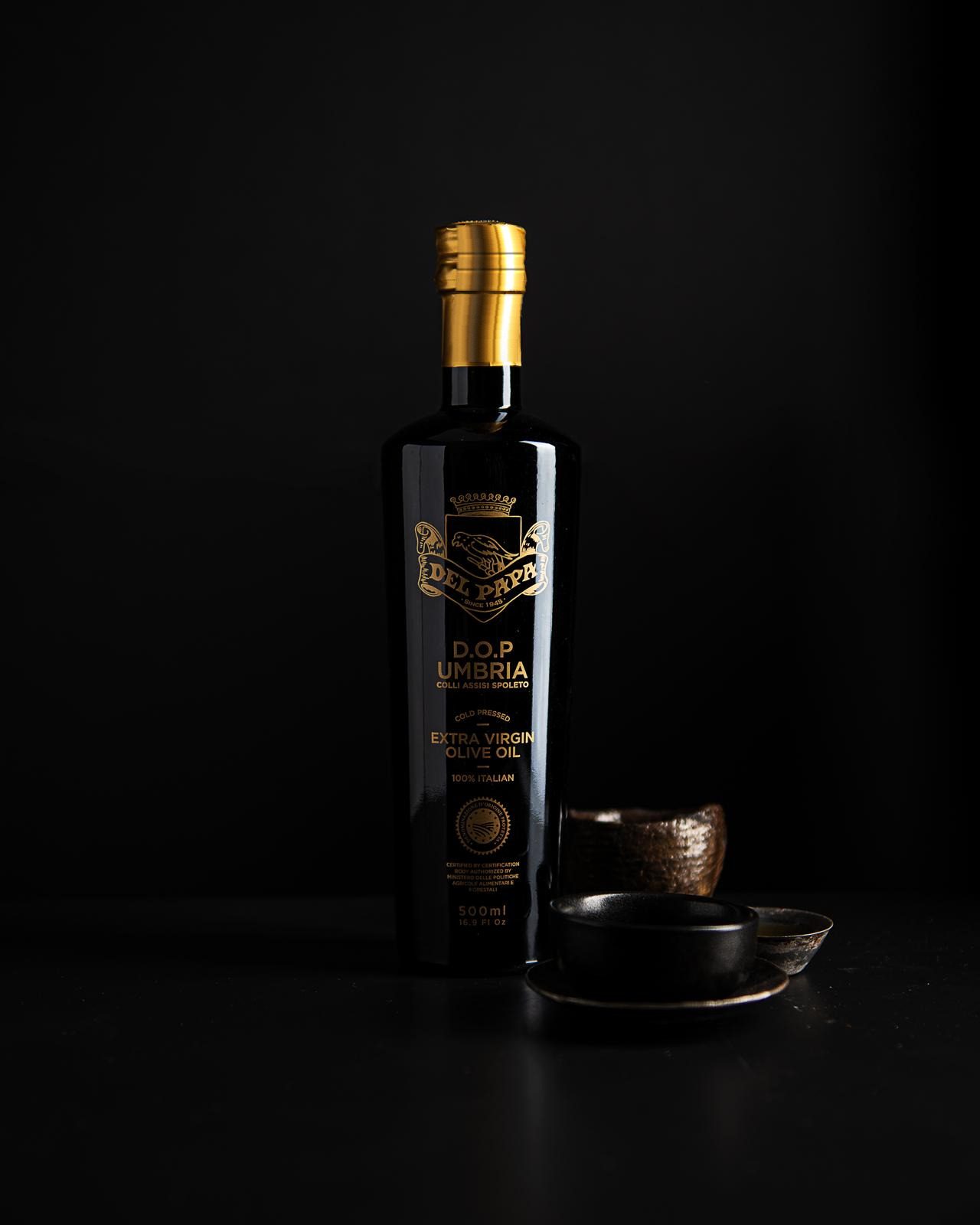
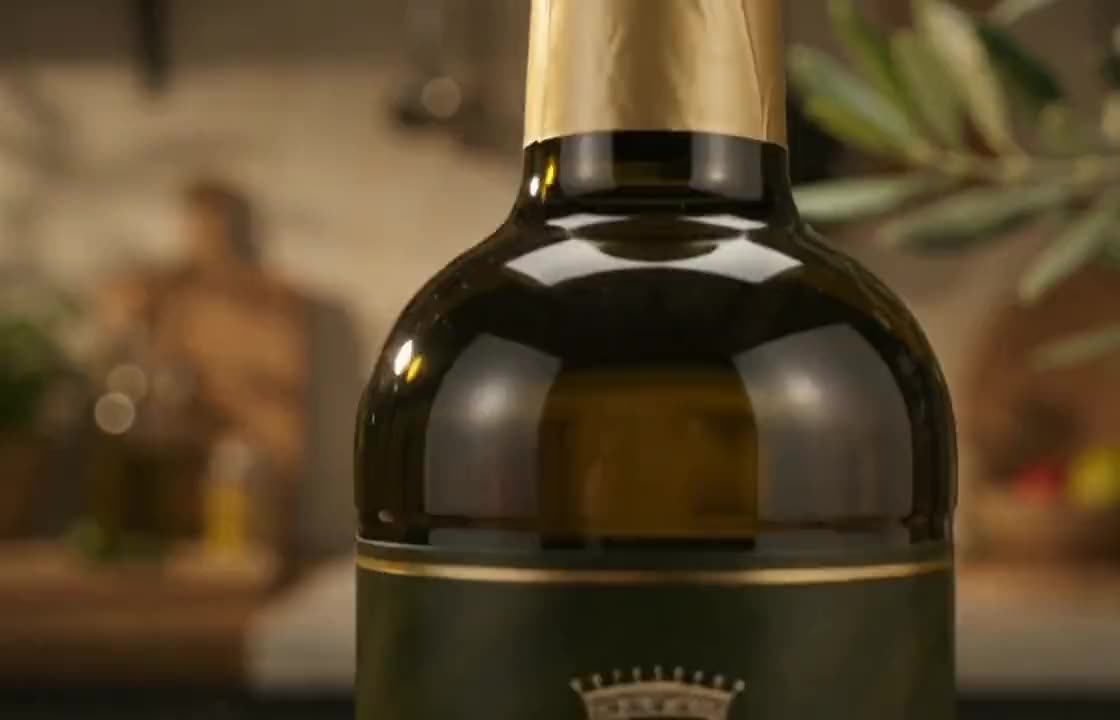
Ultraviolet light breaks down chlorophyll and starts oxidation. This is why serious oil comes in dark glass or tins, and why the clear bottle on the sunny windowsill is the surest way to ruin it. Keep the bottle in a cupboard, and buy dark glass when you can.
Heat
Every ten degrees roughly doubles the speed of oxidation. The worst place in the kitchen is the shelf above the stove, which is where most oil lives. The best is a cool cupboard, 14–18 °C; the fridge is acceptable for flavoured oils and small bottles, though the oil will cloud and need a few minutes to clear.
Air
Oxygen is the actual enemy; light and heat only hurry it along. Close the cap after every use, do not decant into a wide-necked cruet that sits half empty for weeks, and once a bottle is opened plan to finish it within two or three months. A 500 ml bottle used every day is right for most households; the tin is for kitchens that cook for many.
How to tell
A fresh oil smells of something: cut grass, tomato leaf, artichoke, almond. A tired one smells of nothing, and a spoiled one smells of crayons, old nuts or putty: that is rancidity, and no dish will hide it. Pour a little into a glass, warm it in your hands, and smell before you cook. It takes five seconds and it is the whole examination.
Our tins and bottles leave Campello with the harvest on them. What you do with the next eighteen months is the second half of the recipe.